Introduction
Traditional Hatha Yoga Teacher Training in India offers more than professional certification. It provides a structured path for physical, mental, and spiritual development.
Many students join these programs not only to teach yoga but also to deepen their personal practice and understanding.
In today’s fast-paced lifestyle, stress, poor posture, and lack of routine affect overall wellbeing. A traditional yoga training program addresses these issues through disciplined living, daily practice, and guided learning.
India, as the birthplace of yoga, offers an authentic environment for this transformation.
This article explains the benefits of Traditional Hatha Yoga Teacher Training in India. It is ideal for beginners, wellness seekers, and those considering yoga as a long-term lifestyle.
What Is Traditional Hatha Yoga Teacher Training?
Traditional Hatha Yoga Teacher Training is a structured program that teaches classical yoga practices.
It includes:
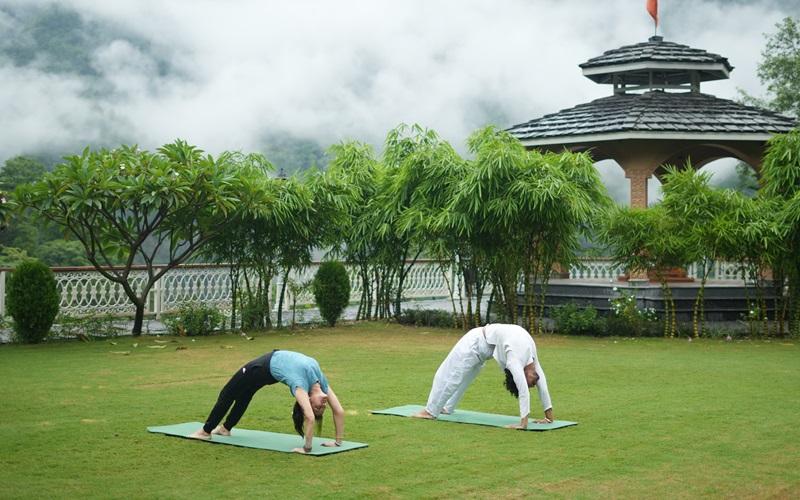
- Asanas (postures)
- Pranayama (breathing techniques)
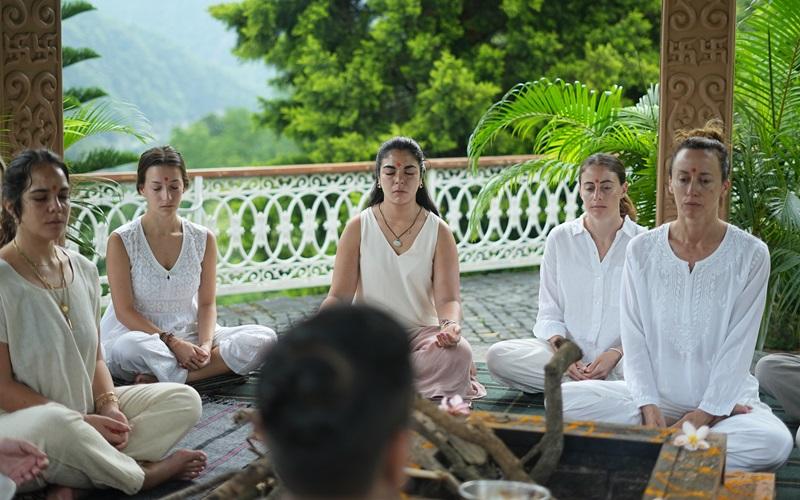
- Meditation
- Yogic philosophy
The training follows a disciplined daily routine. Students learn alignment, breathing techniques, teaching methodology, and yogic lifestyle practices.
The focus remains on balance between body and mind rather than physical performance alone.
In India, these programs are often conducted in ashrams or yoga schools, creating an environment that supports focused learning and self-discipline.
Why It Is Important in Yoga and Wellness
Traditional Hatha Yoga plays a key role in maintaining overall wellbeing. It focuses on balancing the nervous system and improving internal awareness.
This approach supports:
- Stress reduction and emotional stability
- Improved flexibility and strength
- Better breathing and energy flow
- Mental clarity and focus
Unlike modern fitness-based yoga, traditional Hatha Yoga emphasizes slow and mindful practice, allowing a deeper connection with the body and breath.
Key Benefits of Traditional Hatha Yoga Teacher Training in India
1. Deep Understanding of Yoga Practice
Students learn proper alignment and the purpose of each posture, reducing injury risk and improving effectiveness.
2. Strong Foundation in Pranayama and Meditation
Breathing techniques and meditation help regulate the mind and reduce stress.
3. Structured and Disciplined Lifestyle
Daily routines include early waking, scheduled classes, and mindful eating, building consistency and discipline.
4. Physical Strength and Flexibility
Regular asana practice improves muscle strength, flexibility, posture, and joint mobility.
5. Mental Clarity and Emotional Balance
Meditation and breathwork reduce anxiety and improve concentration, leading to emotional stability.
6. Authentic Learning Environment
India offers traditional teachings passed down through generations, preserving the original essence of yoga.
7. Opportunity for Personal Transformation
The combination of discipline, environment, and practice leads to long-term positive lifestyle changes.
How Traditional Hatha Yoga Is Practiced
Traditional Hatha Yoga follows a systematic and gradual approach.
Daily Practice Includes:
- Asana practice for strength and flexibility
- Pranayama for breath control
- Meditation for relaxation and focus
- Yogic cleansing techniques (Shatkarma)
- Study of yoga philosophy
Sessions are conducted in a calm and focused environment, emphasizing awareness, alignment, and breath coordination.
Common Mistakes Beginners Make
- Focusing only on physical postures
- Ignoring breathing techniques
- Practicing without proper guidance
- Expecting quick results
- Skipping discipline and routine
Avoiding these mistakes improves learning and prevents injuries.
Tips From Yoga Teachers
- Practice regularly with patience
- Focus on breath awareness
- Follow a disciplined daily routine
- Eat simple and balanced meals
- Avoid comparing your progress
Consistency is key to long-term growth.
Why Rishikesh Is the Best Place to Learn Traditional Hatha Yoga
Rishikesh is widely known for its authentic yoga tradition and spiritual environment.
Key Advantages:
- Presence of traditional yoga schools and ashrams
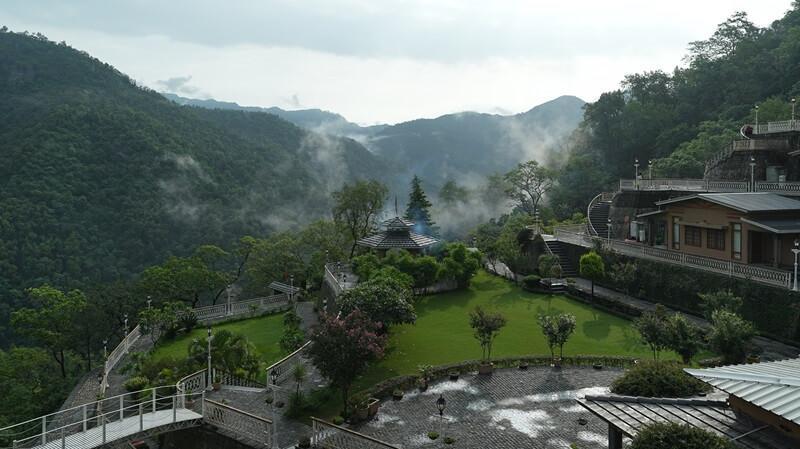
- Peaceful Himalayan surroundings
- Experienced and knowledgeable teachers
- Structured and disciplined programs
This environment allows students to disconnect from distractions and fully focus on their practice.
Frequently Asked Questions
What is Traditional Hatha Yoga?
It is a classical form of yoga focusing on balance between body, breath, and mind.
Who can join this training?
Beginners, practitioners, and wellness seekers can join.
What is the duration?
Most courses (like 200-hour TTC) last 3–4 weeks.
Is it suitable for beginners?
Yes, Hatha Yoga is beginner-friendly due to its slow pace.
What is the role of pranayama?
It regulates breathing and improves energy flow.
Is certification necessary?
Yes, if you want to teach professionally.
Conclusion
Traditional Hatha Yoga Teacher Training in India offers a complete approach to health and wellbeing. It combines physical practice, breath control, meditation, and disciplined living.
For those seeking deeper understanding and personal transformation, this training provides a strong foundation.
Practicing in a traditional environment enhances learning and long-term benefits. Choosing a place like Rishikesh can support meaningful growth and lasting change.